
20/10/2026 05:28
Which Sizes Should You Bring? Telegram Multiple-Answer Polls for Cambodian Clothing Stalls

Packing for a weekend clothing stall means choosing what deserves limited space. A Cambodian seller might have several shirt sizes at the shop but room for only part of that stock at the market. Asking Telegram followers can help identify what they want to inspect. However, a preference poll cannot tell the seller how many garments will sell. This workflow uses multiple-answer polls to collect useful size preferences, check them against available stock, and publish an honest availability update. It also explains where SMM-panel activity belongs in the record, so purchased engagement never becomes the justification for a stock purchase.
1. Define the packing decision before writing the poll
Start with a decision you can actually change. Perhaps you can adjust the mix of sizes in an existing batch, bring an extra sample, or prepare a measuring guide. A poll is less useful when the supplier has already packed everything or when you cannot obtain any of the proposed options. Write the decision privately in one sentence: choose which available shirt sizes deserve additional display space at the next stall.
In a hypothetical example, a Phnom Penh seller offers one cotton shirt design at a weekend market. Some followers shop for themselves and relatives, so they may want to inspect more than one size. The seller wants guidance on what to bring, rather than permission to assume every selection represents a purchase. Keep that distinction in the question and in the eventual packing decision.
2. Choose multiple answers only when several choices make sense
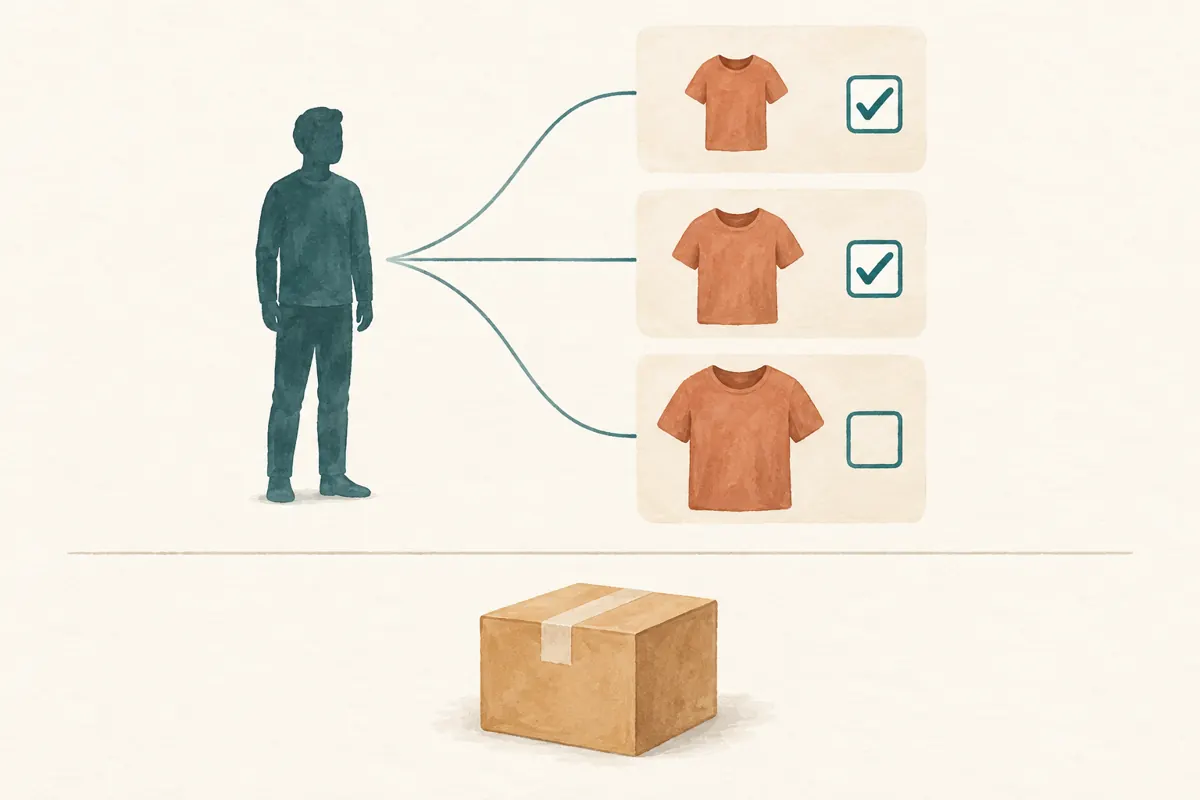
Telegram supports polls in groups and channels, including polls that let participants select multiple answers. Its official Polls 2.0 guide describes creating a poll from the attachment menu, entering a question and answer options, and choosing settings. For this workflow, enable multiple answers and leave quiz mode off. A preference question has no correct answer. Source: https://telegram.org/blog/polls-2-0-vmq
Use several selections when a person could reasonably want several sizes. If you instead need their single preferred size for one garment, use a single-choice question. Do not combine shirt size, preferred colour, market attendance and delivery method in one list. A selection would become difficult to interpret. Each poll should resolve one practical uncertainty, with other questions handled separately only when they affect a real decision.
3. Make the size options comparable
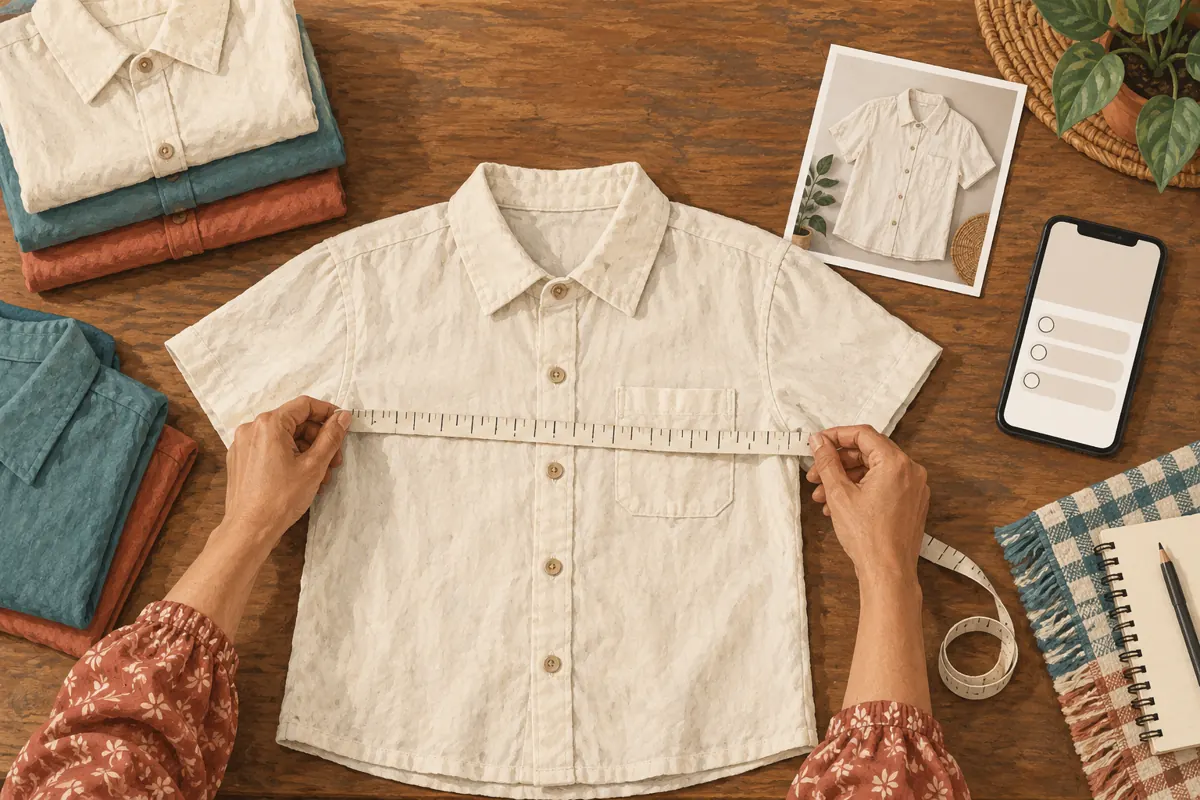
A size label is useful only when shoppers know which garment it describes. Photograph the actual design and prepare a simple measurement reference before posting. Explain whether the measurement is the width of a garment laid flat or a measurement around the body. Use the same method across all options. Avoid presenting a generic size chart as though it has been checked against the current stock.
For the hypothetical shirt seller, the accompanying post identifies the design, fabric and available sizes, then points to measurements checked on that batch. It also states the actual selling price and currency. Followers should not have to guess whether they are selecting an inexpensive everyday shirt or a more costly garment. If different batches fit differently, separate them rather than placing them under identical size labels.
4. Write a question that does not imply a reservation
A suitable hypothetical question is: Which sizes of this shirt would you like to inspect at our next weekend stall? Select all that apply. The accompanying explanation should state that the poll guides packing and does not reserve stock. Include the confirmed market location, date and viewing hours so people can decide whether the proposed visit is relevant to them.
Use the language your customers understand, with a checked Khmer version when appropriate. Keep size codes consistent with the garment labels. Avoid an option such as definitely buying unless you have a separate process for accepting an order. You can invite people who are unsure about fit to send a private question instead of forcing them to select a size. Do not request body measurements in a public discussion.
5. Check the poll before promoting it
Prepare a trial in a staff group before posting the public version. Ask a colleague to read the accompanying product information and explain what a vote means. If they think it reserves a shirt, revise the wording. Check that several selections are possible and that each option refers to the same product. Inspect the voting-privacy setting and avoid promising anonymity without verifying the selected configuration.
Give the public poll a practical review deadline, expressed in Cambodia local time. Choose a deadline that leaves enough time to pack and publish the final availability message. Assign one person to record the results at that point. If voting remains open afterwards, make clear that later responses may inform a future stall rather than change goods already packed.
6. Invite relevant participation without manufacturing demand
Share the poll with people who already follow the shop or have asked about the garment. Explain why their answer helps: the stall cannot display the entire stock, and the seller wants to bring useful options. A clear product photograph and a precise invitation give readers a reason to participate. Repeatedly posting the same request can make the channel less useful without improving the quality of the answers.
Do not ask staff to select options merely to make the poll look active. Avoid rewards tied to choosing a particular size. If another business shares the post, record that context because its audience may differ from your usual shoppers. The responses remain a voluntary sample of people who encountered the question, not a survey of Cambodian clothing demand.
7. Keep SMM services outside the demand calculation
The supplied cambo-tools.com catalogue includes the exact public name Telegram Post Views ~ From Real Account. Its title identifies a post-view offering, but the brief provides no supporting description. Treat the wording about account origin as a catalogue claim, not verified evidence about the people behind delivery. The supplied information does not establish Cambodian targeting, voting participation, shopping interest or suitability for a poll message.
If reviewing an SMM-panel service, first check its current documented inputs and whether the intended post is supported. Do not assume that a post-view service supplies poll votes or prospective customers. Purchased engagement is not evidence of genuine interest, sales, ad delivery or Cambodian users. When the goal is learning which stock to bring, relevant voluntary responses and confirmed enquiries are more useful decision inputs.
Record any panel order separately from the poll findings, including the service name, destination and timing. If activity overlaps the response period, preserve that context rather than claiming the service created demand. An increase in the visible view count cannot identify which viewers considered a size, planned a visit or placed an order.
8. Read selections without turning them into units
At the review deadline, record the question, product, options, response snapshot and any important limitations. Keep the number of participants distinct from selections across options. One person selecting two sizes might be comparing fits, shopping for another person, or considering alternatives. Those selections do not establish demand for two shirts.
Do not multiply a displayed percentage by your follower count to calculate stock needs. Your followers did not all answer, and those who answered may differ from those who visit. Telegram also explains that channel views are approximate and include views of forwarded copies. This makes the view counter unsuitable as an exact count of unique prospective customers. Source: https://telegram.org/faq_channels
Use a plain-language finding: respondents showed interest in inspecting these sizes, but quantities and attendance remain unconfirmed. If only a few people answer, describe the evidence as limited. A quiet poll can reflect unclear wording, an inconvenient date or low interest; the result alone does not reveal which explanation is correct.
9. Turn preferences into a cautious packing plan
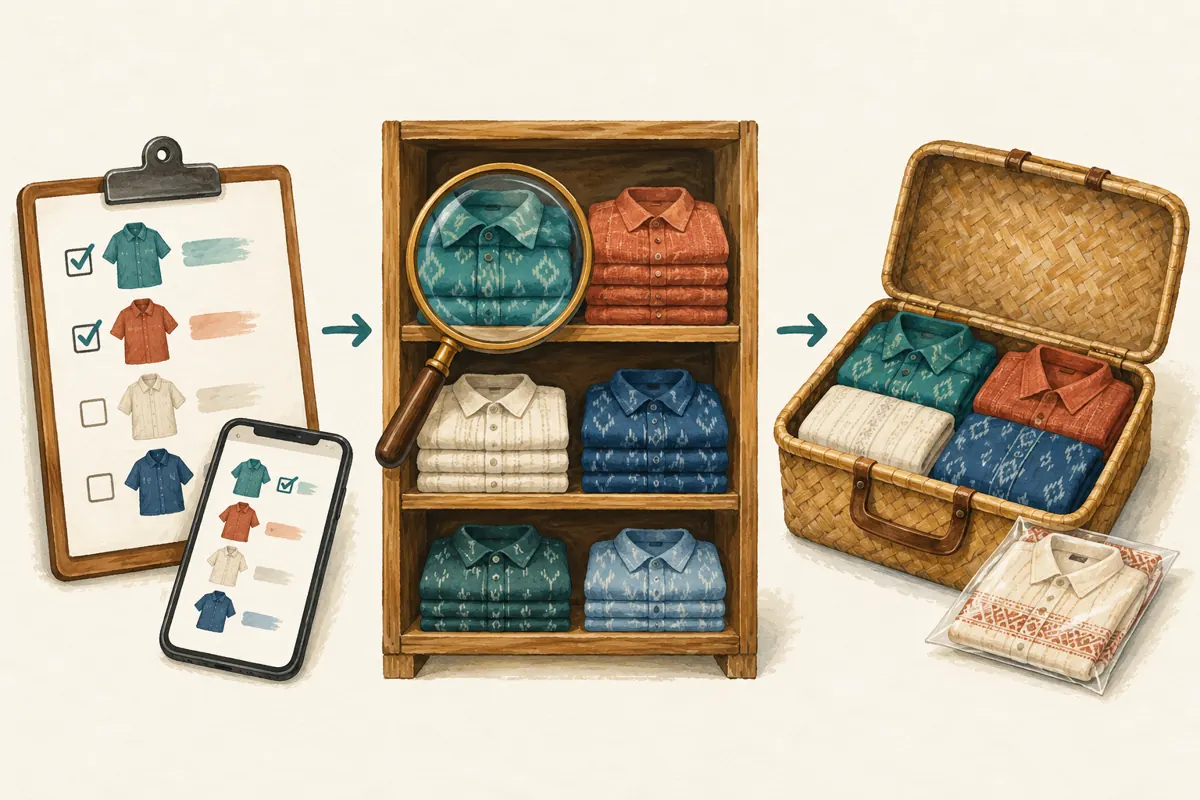
Compare the poll with three practical records: available stock, recent enquiries about the same garment, and explicit reservations. Check whether the requested sizes can actually be brought without disrupting existing commitments. Reserve space for confirmed orders first, then use preference information to adjust the remaining display mix. Keep a reasonable range when the evidence is weak rather than removing every less-selected size.
In the hypothetical example, medium and large attract interest while a customer separately reserves a small shirt. The seller packs the confirmed small reservation and adjusts the general display towards the sizes people want to inspect. This is a decision example, not a claimed business result. The seller does not order a large replacement batch solely because two poll options appear popular.
If a size is unavailable, say so in the follow-up. Offer a fitting sample or a later enquiry only when that option really exists. Do not advertise stock that has not been secured. A poll can expose an information gap, but it cannot solve a supply problem.
10. Publish availability and learn from the stall
After packing, publish a fresh message identifying the garment, sizes being brought, price, location and collection arrangements. Explain how a customer can request a reservation and when the shop considers it confirmed. For example, the seller might require a private exchange confirming size, quantity and collection details. Describe the actual shop process rather than inventing a rule for all businesses.
After the market, compare the planning notes with real enquiries, fitting requests and recorded sales. Note whether customers needed different measurements, whether a requested size was missing, and whether visitors had seen the poll. Keep these observations separate from assumptions about causation. A useful next poll might ask about another fit or product; repeating the same question is unnecessary when the original uncertainty has already been resolved.
Frequently asked questions
Should I order more stock when one size receives the most selections?
Treat the result as a reason to investigate, not an automatic purchasing instruction. Check existing stock, recent requests, supplier conditions and confirmed reservations. If the additional stock would be difficult to sell later, seek clearer purchase commitments before spending. A preference poll is especially useful for adjusting an existing stock mix.
Can I add selections together to estimate how many shirts people want?
No. Multiple selections can represent alternatives rather than quantities. Someone choosing medium and large may simply want to compare the fit. Ask for quantity through your normal reservation process, and count an order only when the customer and shop have agreed on its details.
What should I do if almost nobody answers?
Review whether the garment, measurements, price and market details were clear. Ask a few existing customers whether the question made sense, without pressuring them to vote. Use your established stock records and direct enquiries for the immediate packing decision. Do not purchase activity to disguise the lack of usable responses.
Do more Telegram post views make the poll more reliable?
Not by themselves. Views do not establish relevance, attendance or buying intent, and Telegram describes its channel counts as approximate. Reliability depends more on whether the question is clear and whether respondents resemble the customers whose needs you are trying to understand. Purchased views cannot establish either condition.
Can I call the highest-selected size the bestselling size?
Only sales records can support a statement about what sold best within a defined period and product range. A poll supports a narrower description, such as the size most selected by participants in that poll. Keep the scope explicit and avoid presenting voluntary preferences as proof of wider popularity.
Explore the current service catalogue, create an account, or ask a specific question through support tickets.
Prepared with AI assistance. Illustrations explain the workflow and do not represent customer results.