
20/10/2026 22:39
Wrong Cake-Tin Depth in the Demo? YouTube Corrections for Cambodian Baking-Supply Shops
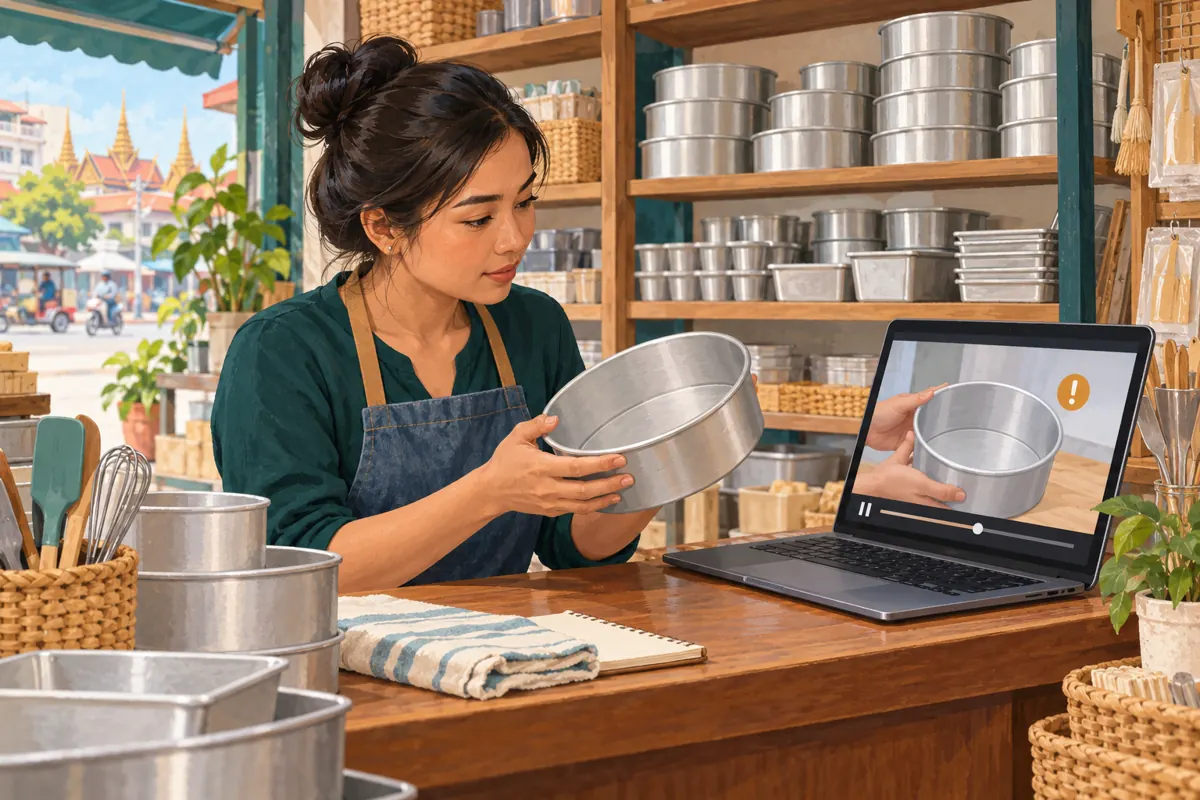
A product demonstration can show the right cake tin while giving the wrong depth aloud. For a Cambodian baking-supply shop, that small mistake can affect a buyer’s choice, especially when several similar tins appear together. Before sharing the video again or considering an SMM service, establish exactly what needs correcting. YouTube offers a timestamped corrections feature, but adding a note is only one part of the job. This workflow explains how to verify the product, decide whether a correction is sufficient, write a useful explanation and check the customer’s route from video to enquiry. The shop, measurements and situations below are hypothetical examples, not customer results.
1. Start with the buying decision the mistake could change
Imagine a Phnom Penh baking-supply shop demonstrating two round tins. At 1:18, the presenter calls the shallower model eight centimetres deep, although the sample’s verified internal depth is six centimetres. The rest of the demonstration correctly shows its removable base and finish. A buyer preparing a particular cake might choose differently after hearing the correct measurement. That makes the error worth addressing before further promotion, even if nobody has complained.
Write down the affected claim, the product shown and the decision it could influence. Avoid treating every slip as equally serious. Mispronouncing an internal product nickname may have little practical effect; misstating a dimension can change suitability. Ask whether a viewer could spend money, arrange delivery or plan production using the wrong information. If so, stop reusing the mistaken claim in captions and sales replies while the team verifies it.
2. Verify the same sample and the same measurement
Retrieve the exact model used in filming, ideally the original sample. Compare its product reference with the packaging, shelf record and footage. Similar-looking tins can differ in depth, diameter or base construction. Measuring a replacement from another batch without checking its identity can create a second error. If the original sample cannot be identified confidently, say the specification remains unconfirmed and prepare a fresh demonstration of an identifiable item.
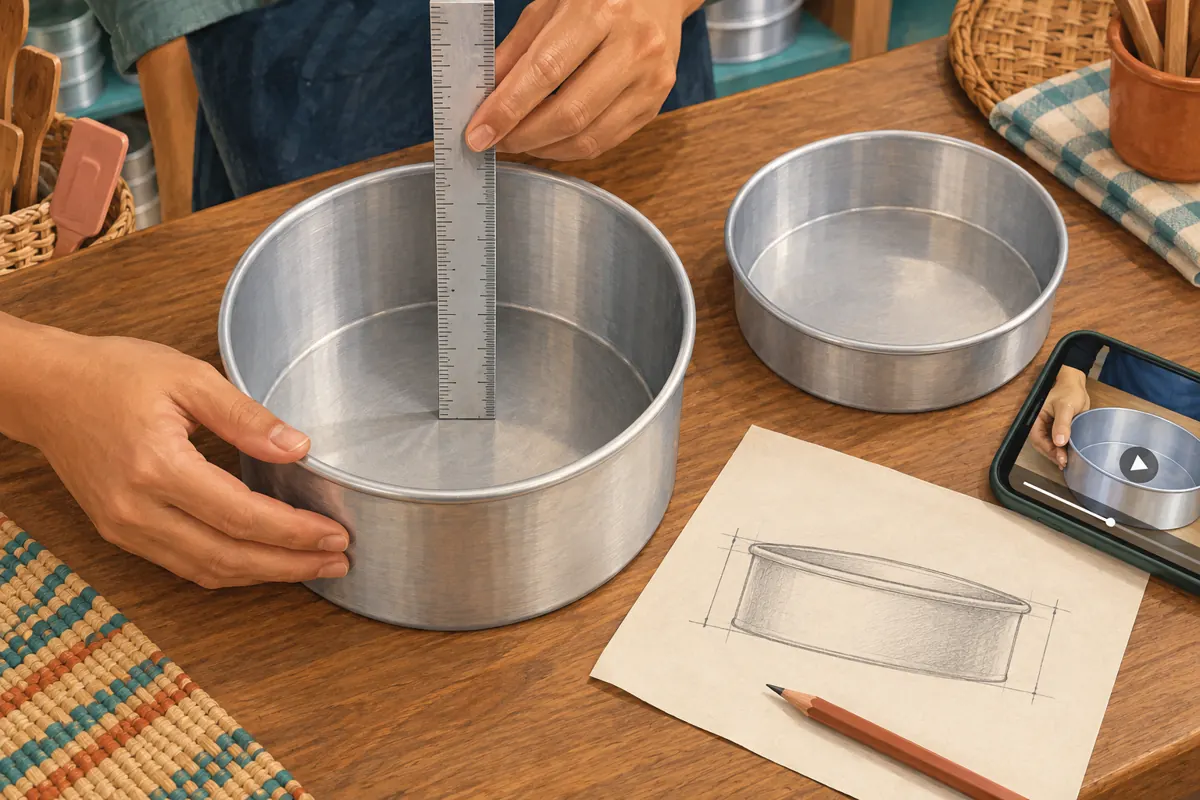
Define what the measurement means before writing a number. Internal depth, external height and usable filling space answer different questions. In this hypothetical case, measure from the inside base to the rim and record that method. Do not turn the result into an unsupported claim about batter capacity or oven compatibility. Keep a clear reference photograph for staff, with the ruler’s starting point visible. Have another colleague compare the measurement with the proposed wording rather than simply approving a number.
3. Choose between a correction and a replacement demonstration
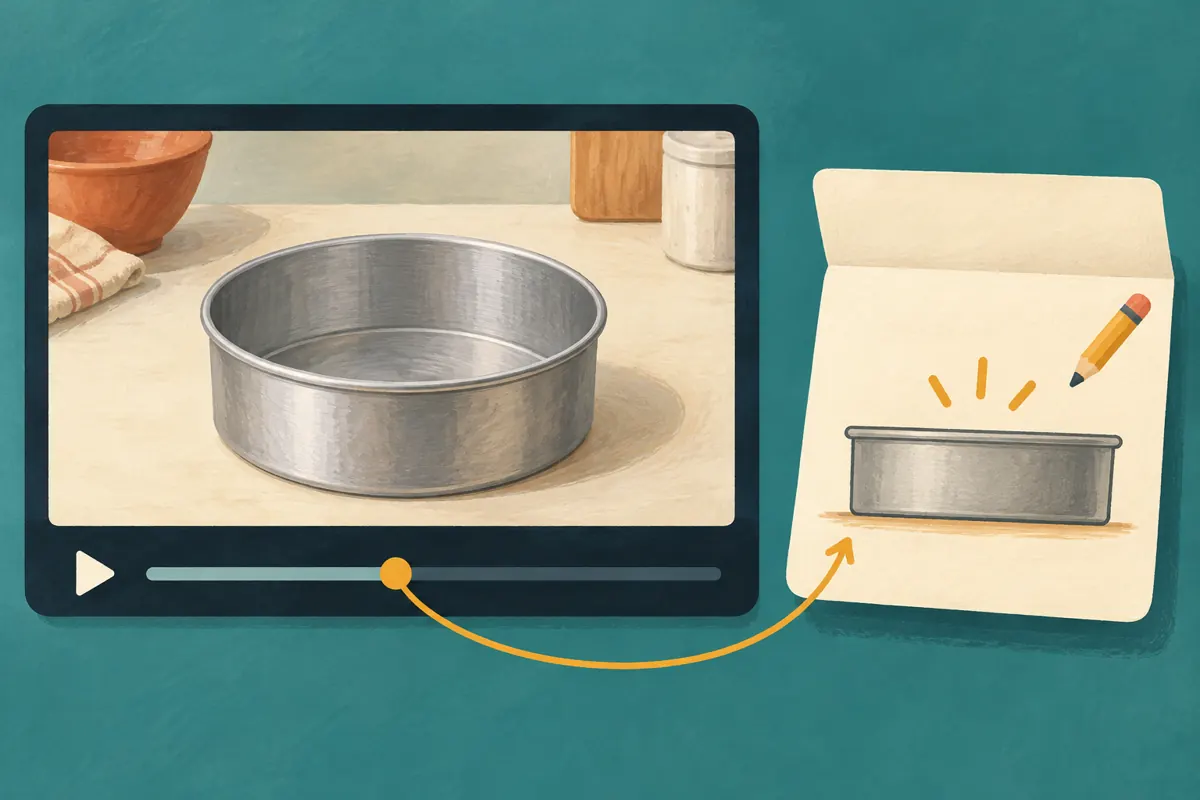
A correction is a reasonable editorial choice when the mistake is isolated, the product remains identifiable and the surrounding demonstration still makes sense. In the hypothetical tin video, one spoken depth may be corrected without invalidating the removable-base demonstration. The practical test is whether a short, precise explanation lets a viewer understand the product accurately without reconstructing the entire presentation.
Prepare a replacement when the wrong specification drives the whole video. Examples include repeatedly comparing capacities using an incorrect depth or claiming a tin fits an appliance that was never checked. Also replace footage when the wrong product is shown throughout. Existing views are not a reason to preserve a misleading sales resource. Before sending new visitors to either version, decide which one staff should share and make that choice explicit in the shop’s content record.
4. Add the correction using YouTube’s documented format
YouTube’s official instructions describe opening YouTube Studio, selecting Content, choosing the video and editing its description. Add the English label Correction: or Corrections:, then place the timestamp and explanation on a separate line. The Help Centre says this section should follow any video chapters. Save the change. YouTube describes a correction overlay that directs viewers to the explanation in the description.
For this hypothetical example, put Correction: on its own line, followed by: 1:18 The shallow round tin shown here has an internal depth of 6 cm. The spoken measurement of 8 cm is incorrect. These are illustrative specifications, not measurements for a product sold by this website. The English feature label is required even when the explanation is in Khmer. YouTube also states that the feature is unavailable for channels with active strikes or content that may be inappropriate for some viewers.
5. Make the explanation useful to a Cambodian buyer
Write the correction in the language the intended buyer understands. An English article can describe the process while a shop’s actual customer-facing explanation uses Khmer. Keep the product reference and measurement unit consistent across languages. If staff normally use centimetres, avoid suddenly introducing inches without a clear conversion and reason. A short explanation should identify the item, state the verified fact and acknowledge what was wrong.
Avoid vague wording such as “size updated” or “please ask us for details.” Those phrases leave the original claim unresolved. Equally, do not imply that a product changed when the presenter merely misspoke. Where two tins appear together, identify the shallow or deep model and its reference instead of relying only on “this one.” Read the explanation without watching the video: a colleague should still understand which specification changed and which product it describes.
6. Check the correction where a customer will encounter it
After saving, open the public watch page and play the relevant passage. Inspect the description as well as the viewing experience on the phone normally used for customer checks. Confirm that the timestamp corresponds to the mistaken statement rather than the introduction or a later close-up. Remember that an explanatory note does not replace the original spoken sentence or the measurement already drawn into the picture.
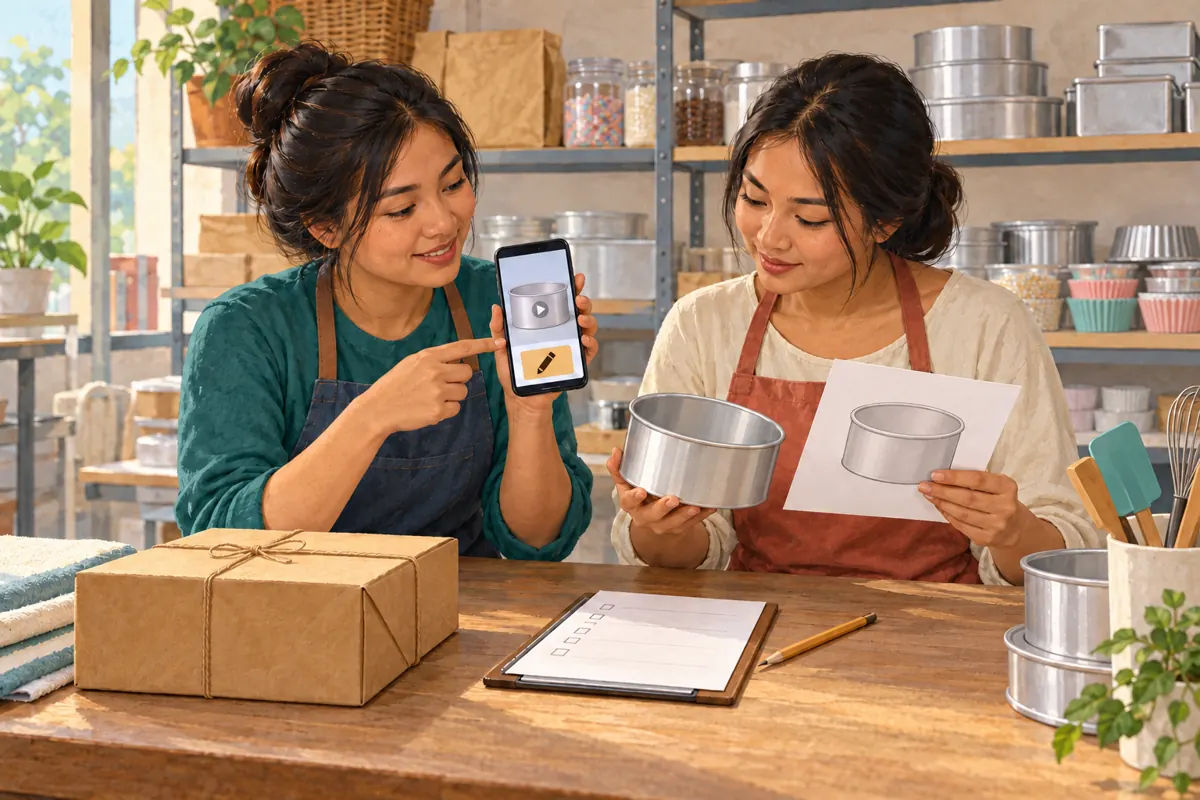
Give the link to a colleague who did not draft the correction. Ask them to identify the tin’s depth and explain how they found it. If they repeat the old number, improve the communication before resuming promotion. Do not assume every visitor will notice an overlay or open a description. When the specification is central to buying, use a freshly recorded, accurate demonstration as the main sales resource instead of depending on a note alone.
7. Follow the mistaken claim into your promotional material
List where the shop reused the original specification: a Facebook caption, a Telegram offer, a printed product card or a staff reply template. Review the places your team actually controls. Correct the same measurement there, using the same product reference. A repaired YouTube description will not resolve an independently written caption that still advertises the wrong depth. Assign one person to check each active promotional item so the correction does not stop at the video.
In a hypothetical Battambang shop, a customer may have requested a tin after seeing the earlier offer. Before confirming that order, explain the verified depth and ask whether the item still suits their requirement. Do not quietly substitute another model. Keep the conversation specific: what was stated, what is correct and what the customer wants next. This is a practical response to an affected enquiry, not evidence that every viewer received or understood the correction.
8. Review SMM services without confusing engagement with accuracy
For readers considering cambo-tools.com, the supplied catalogue includes the exact title “Youtube Watch Time ~ Video 60 Min+ Length [ Q 1k=1000 hrs ] ~ 500/days ~ 0-24 Hours ~ 𝗥𝗘𝗙𝗜𝗟𝗟 30D”. It is presented as a watch-time service, but its description is empty. The title alone does not verify its delivery method, eligibility, timing, refill terms or suitability for a particular video. It provides no basis for claiming Cambodian viewers or genuine buying interest.
YouTube’s fake engagement policy prohibits artificial increases to views, likes and other metrics, and says a hired promoter’s actions can affect a channel. Do not order artificial engagement to make a corrected demonstration appear more trustworthy. Purchased engagement is not evidence of accuracy, sales, ad delivery or Cambodian users. A panel listing is also not evidence of official platform affiliation. Resolve the product claim first, and reject promotion methods that conflict with the platform’s rules.
9. Keep a small correction record and a clear restart decision
Record the video link, affected timestamp, product reference, original statement, verified replacement wording and person who checked it. Add the date and the locations where related promotional text was updated. This can be a short entry in the shop’s existing content sheet. Its purpose is to help the next colleague understand the correction without replaying the whole discussion or guessing which tin was measured.
Resume sharing only when the verified specification, video explanation and current offer agree. If a service request already references the video, keep that request’s record separate and ask the provider about available changes; do not assume cancellation or pausing is supported. Assess later enquiries by what customers actually ask. A question about internal versus external dimensions may reveal remaining ambiguity. A rising view count cannot establish that the correction worked or that viewers understood the product.
10. Avoid shortcuts that leave the original confusion intact
The most common shortcut is writing “sorry for the mistake” without supplying the correct information. Another is changing the product description while leaving staff to repeat the old spoken claim. A third is correcting the number but omitting whether it describes internal depth or external height. Each shortcut creates an appearance of action while leaving a buyer with the same unresolved choice.
Avoid burying the correction in unrelated promotional language or presenting it as an exciting product upgrade. Keep the acknowledgement factual and easy to find. If the team discovers several specification errors, stop patching individual lines and review the entire demonstration. For the next recording, place a checked product sheet beside the presenter and read back dimensions before filming. A brief physical verification is more useful than an elaborate correction process applied repeatedly to preventable mistakes.
Frequently asked questions
Can a Khmer-language video use YouTube’s corrections feature?
Yes. YouTube requires the marker Correction: or Corrections: in English, regardless of the video’s language. The explanation can use the audience’s language. Keep product references and units consistent, and have a fluent reader check that the Khmer wording distinguishes internal depth from external height.
Does a correction change the original video’s speech or pictures?
No. The documented feature adds an explanation associated with a timestamp. Treat the original statement as still present in the footage. If a buyer could reasonably miss the note and make a costly choice, prepare an accurate replacement demonstration and use it as the primary sales resource.
What if the correction overlay does not appear during our check?
Review the saved label, timestamp, placement and YouTube’s stated eligibility limitations. Confirm that the explanation itself is visible in the description. Do not promise customers that an overlay will resolve the error. If the feature remains unavailable or the correction is easy to miss, use a clearly corrected replacement.
Should we report stronger engagement as proof that customers trust the correction?
No. Engagement does not establish comprehension or trust, and purchased activity cannot validate the product claim. Look instead for concrete evidence of clarity: staff use the verified specification, current offers agree, and buyers can identify the model they want. Even those observations should be described narrowly, without inventing sales impact.
Explore the current service catalogue, create an account, or ask a specific question through support tickets.
- YouTube Help: Edit video settings
- YouTube Blog: How to add corrections to YouTube videos
- YouTube Help: Fake engagement policy
Prepared with AI assistance. Illustrations explain the workflow and do not represent customer results.