
21/10/2026 16:32
Which Way Does the Lid Turn? TikTok Text-to-Speech for Cambodian Storage-Jar Shops
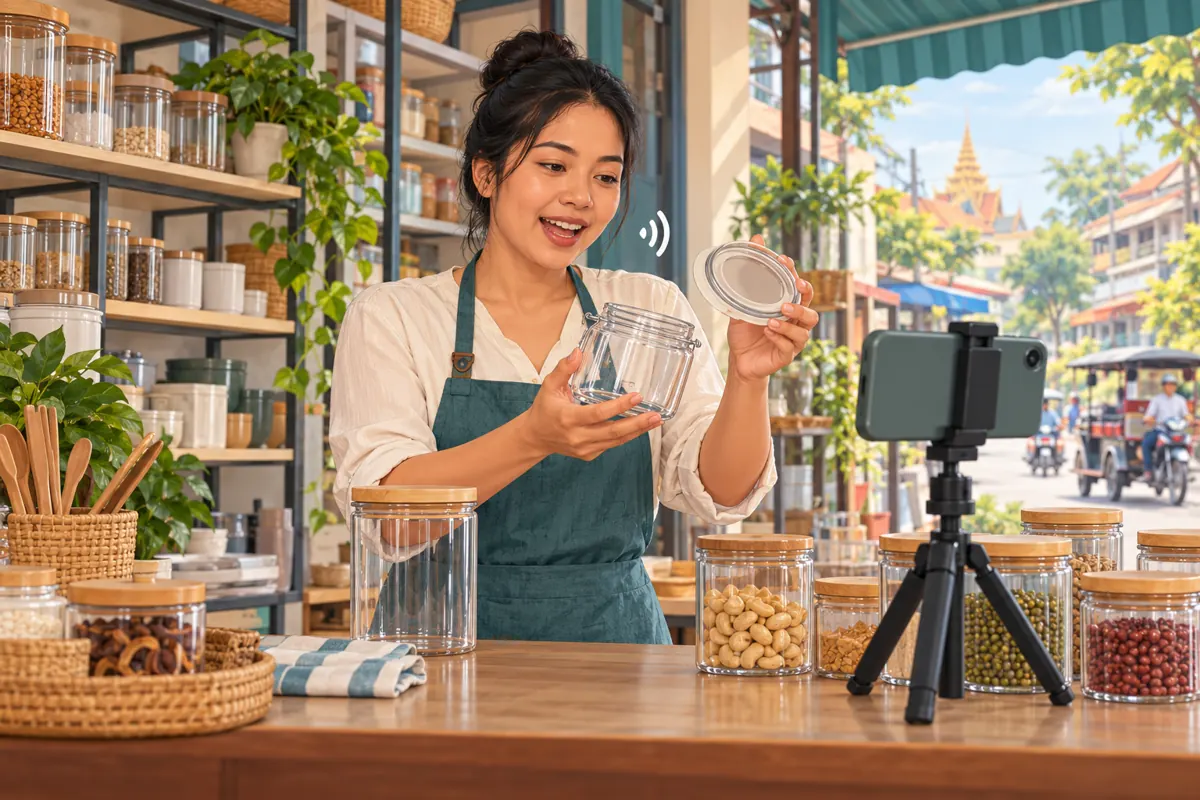
A storage-jar video can show attractive shelves and still leave a buyer unsure how the lid opens. Fast hand movements, background music and a brief written instruction may conceal the detail that matters. For Cambodian kitchenware shops, spoken instructions can make a demonstration easier to follow, especially when the viewer cannot comfortably read every overlay. TikTok’s text-to-speech feature is one option, provided its output communicates the intended language and action accurately. This workflow follows a hypothetical Phnom Penh shop preparing a screw-lid jar demonstration. It connects script preparation, listening checks and responsible promotion decisions without treating engagement counts as proof that customers understood the product.
Start with one question about one jar
Choose the exact uncertainty the video should resolve: does this lid unscrew, lift off or release through a clip? Put the actual stock item on the counter and confirm its operation before writing. Similar-looking jars can use different closures. A demonstration that quietly switches models halfway through may teach the wrong action even when the narration sounds confident.
In this hypothetical example, the shop wants viewers to recognise a screw lid and see how it separates from the jar. The immediate objective is understandable product information. Prices, delivery arrangements and alternative sizes can belong in separate content. Keeping this clip focused gives the spoken explanation enough room and makes the final review concrete: can someone describe the opening method after watching?
Decide whether generated speech fits the audience
TikTok describes text-to-speech as a way to read video text aloud. Its accessibility guidance distinguishes this from captions, which turn speech into written text. These tools address different needs. Adding a generated voice does not automatically make a demonstration understandable, and it does not replace visible instructions for people watching without sound.
Choose the spoken language according to the customers this particular video serves. For a Khmer-speaking audience, test the intended Khmer wording in the available tool before building the whole edit around it. Do not assume that every language or pronunciation will work satisfactorily. If the output is unavailable or unclear, record an understandable human narration instead. An English voice is useful only when the intended viewers can follow the explanation.
Write instructions that name the action
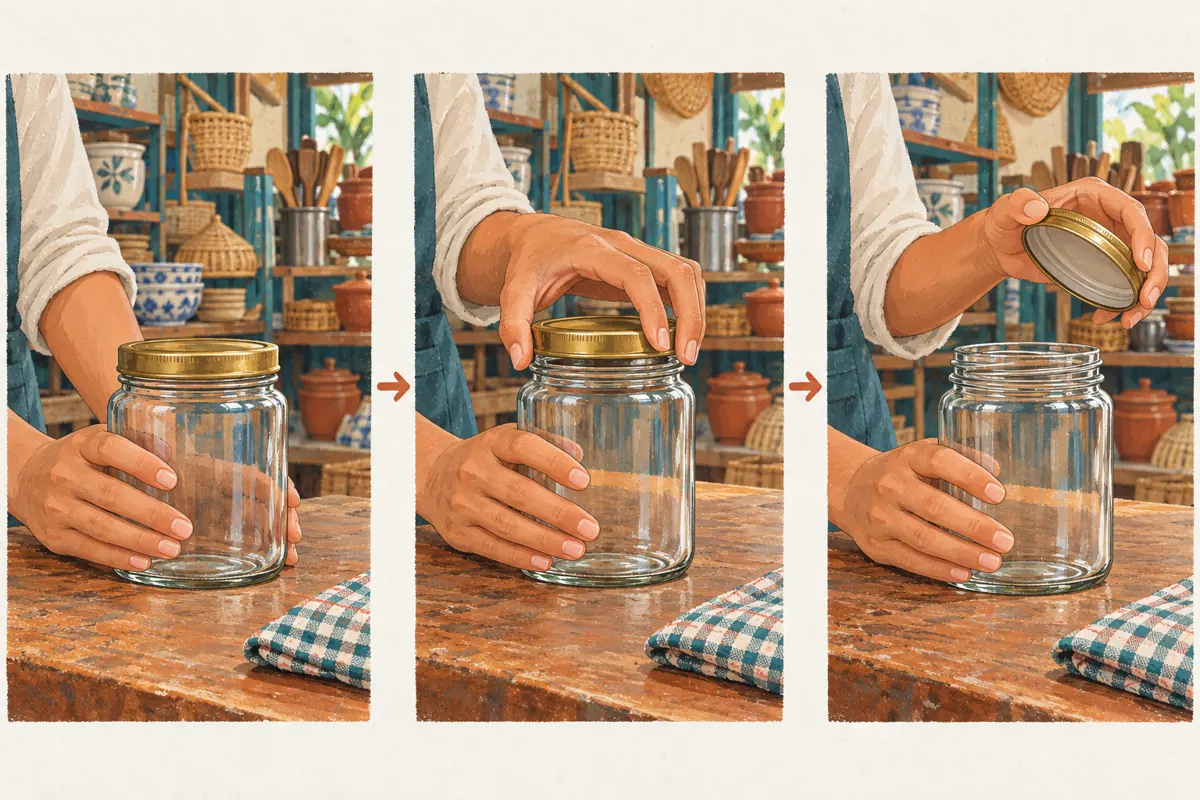
Draft the explanation in ordinary speech before opening the editor. A hypothetical English script might begin: “This jar has a screw lid. Hold the jar steady. Turn the lid to loosen it, then lift it away.” Verify every action against the actual item. If direction matters, describe the viewing position and demonstrate it clearly rather than relying on an ambiguous instruction such as “turn this way.”
Remove phrases that depend entirely on sight, including “as you can see” and “do that again.” Name the lid, rim or seal when that distinction matters. Keep one action in each short sentence, and leave pauses for the hand movement. Avoid adding unverified claims such as leakproof, heat-resistant or suitable for preserving food. A smooth voice cannot establish a product property that the shop has not confirmed.
Film enough space for the explanation
Record the complete action with the jar, gripping hand and lid visible. Use a plain surface that separates the glass outline from the background. Begin with a still view of the closed jar, show the opening movement, and hold the open position briefly. These pauses give the viewer time to connect the words with the object.
Watch for reflections that conceal the threaded rim and hands that cover the mechanism throughout the turn. If a close-up is necessary, film an additional view of the same item. Do not accelerate the demonstration merely to fit a crowded script. Shorten the wording or allow more time. Also check the final image orientation: a mirrored view can make a directional explanation harder to interpret.
Add text-to-speech and check the first sentence
TikTok’s Help Center gives this basic route: tap Add post, record or upload a video, select Text, and enter the words. Tap the text you want spoken and choose Text-to-speech. Check the controls shown in your own app while preparing the draft. Start with a single instruction so you can assess the voice before entering the remaining script.
Listen immediately after generation. Does the sentence identify the correct object? Is the action clear without reading along? If the first line is unsuitable, revise it or choose human narration before investing in detailed timing. Keep the approved wording in a separate editorial note so another staff member can compare the intended sentence with the actual audio. That note should describe the product, not contain customer information.
Audit Khmer wording, model codes and units
Ask someone fluent in the audience’s language to listen without seeing the script. Have them repeat what they heard rather than simply asking whether it sounds good. A familiar-looking written phrase can conceal an unclear spoken result. For Khmer content, the reviewer should judge meaning and natural comprehension, including whether borrowed product terms remain recognisable.
Treat model codes and measurements as separate review items. A code might be pronounced as a word when the shop needs individual letters. An abbreviation might lose its unit altogether. Where a spoken detail is necessary, use an unambiguous full expression and listen again. Keep the correct written identifier visible for enquiries. If generated speech cannot reliably communicate the identifier, a human recording or simpler product reference is preferable to misleading pronunciation.
Synchronise the voice with the visible movement
Play the draft from the beginning and check each instruction against the corresponding action. The listener should hear about steadying the jar while the jar is being steadied, rather than after the lid is already off. Leave enough time for the final instruction to finish before the video ends. Review any changed sentence again because a longer wording can alter the fit.
Keep the audio arrangement simple. Competing speech, prominent music and shop noise can obscure small but important words. Then watch with the sound muted: the visible sequence and readable text should still explain the essential operation. Finally, listen without looking at the screen. This is a practical clarity check, not a certification of accessibility; it helps expose instructions that rely on gestures the voice never describes.
Use a second reviewer to catch common mistakes
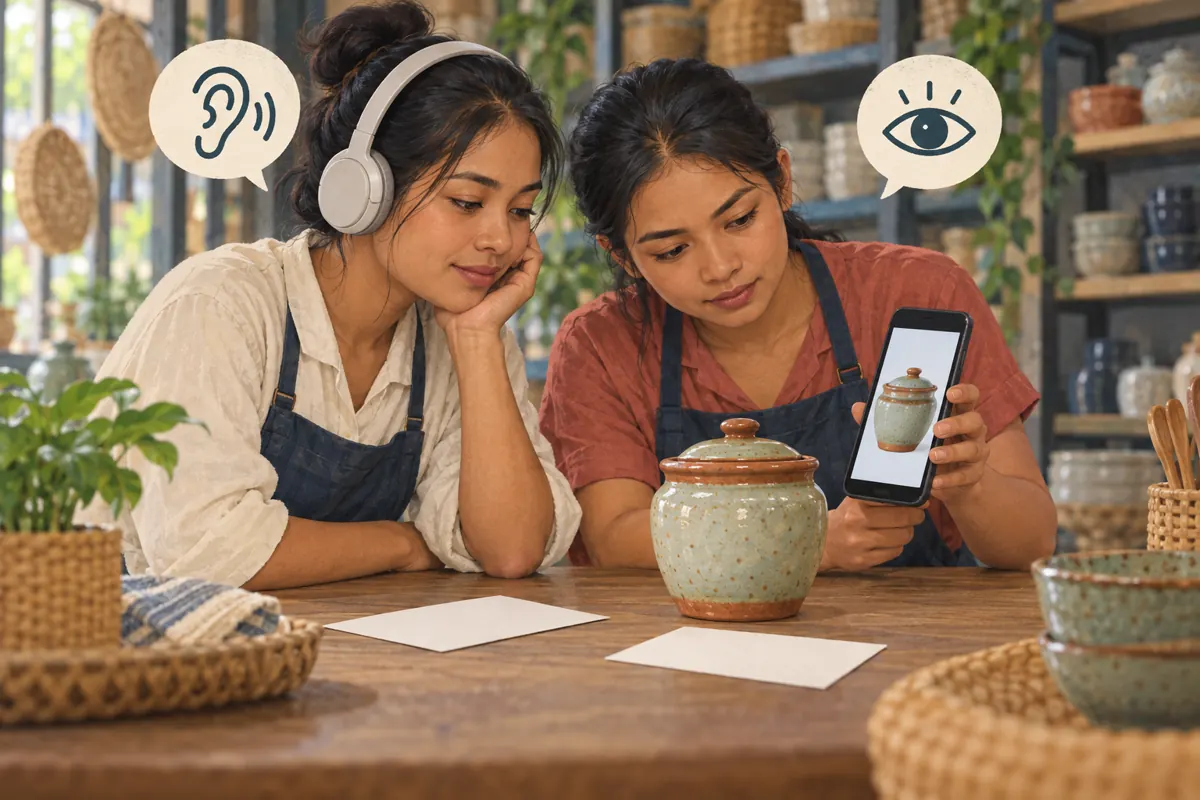
Give a colleague the draft and the actual jar, without first teaching them what the video is supposed to say. Ask which closure they think it has and which step remains unclear. Record their answer as internal feedback, not as a customer testimonial. If they describe a push-on lid when the product screws closed, revisit the image and wording together.
Common mistakes include choosing a voice for novelty despite poor pronunciation, covering the mechanism with text, and squeezing several instructions into one breathless sentence. Another is leaving an old narration attached to a newly filmed product. Compare the approved item, written script and finished audio before release. If one changes, review all three. Do not assume a previous approval covers a different lid or revised explanation.
Separate SMM catalogue labels from communication quality
The supplied cambo-tools.com catalogue includes “TikTok Likes ~ Bot Profiles ~ Max 10M ~ 500k/Days ~ Instant ~ 𝐍𝐎 𝗥𝗘𝗙𝗜𝗟𝗟”. The title identifies a listing for TikTok likes labelled Bot Profiles; the brief provides no descriptive explanation beyond the name. Its capacity, speed and refill wording should not be treated here as verified delivery commitments. It offers no evidence that anyone understood a jar demonstration.
TikTok’s official guidance prohibits services that artificially increase engagement. A catalogue entry is therefore not a reason to skip platform-policy review or proceed with a purchase. For this workflow, improving the narration and answering genuine product questions are the useful next steps. Purchased engagement cannot establish genuine interest, sales, advertising delivery or Cambodian audience origin. A larger visible count would not validate pronunciation, product suitability or the effectiveness of this explanation.
Release the approved explanation and learn from questions
Before the shop publishes, confirm that the description identifies the demonstrated product and gives a clear, available way to ask about it. Invite a relevant question, such as whether the viewer needs help identifying their lid type. Avoid promising that an unidentified replacement lid will fit. Ask for the product reference and necessary measurements through the shop’s normal enquiry process.
After release, note recurring questions in plain language. Separate requests about opening the jar from questions about size, stock or pickup. A repeated opening question may suggest that the demonstration needs another angle; it does not prove the voice caused the confusion. Keep any existing panel records separate from this feedback. Use the next edit to resolve an observed misunderstanding, and preserve the approved script so staff can answer consistently.
Frequently asked questions
Should a Cambodian shop use English text-to-speech if Khmer output is unclear?
Only if English suits the intended audience. Changing the language to accommodate a voice tool can make the video less useful to the customers it was meant to help. For a Khmer-speaking audience, record clear Khmer narration and provide readable matching instructions. Test the result with a fluent listener before release.
Can text-to-speech explain everything shown in the demonstration?
It reads the text selected for speech; it does not establish which visual details your script omitted. If the words never identify the screw lid or the opening action, the voice cannot supply that missing explanation. Write the necessary description deliberately, then check whether a listener can follow it without seeing your gestures.
What should we do when a model code sounds wrong?
First decide whether the code needs to be spoken at all. A clearly visible identifier may support enquiries while the narration concentrates on the opening method. If it must be spoken, test an explicit letter-by-letter wording or record it yourself. Preserve the correct written code so customers can reference the item accurately.
Do we still need readable instructions when the video has narration?
Yes. Some viewers will watch with sound muted, and others may find written instructions easier to follow. Keep the essential wording readable without covering the lid mechanism. Spoken and written instructions should agree, but they need not overload the frame with every detail from the product description.
Can a rise in likes show that the new voice worked?
A rise alone cannot isolate the effect of narration. The product, opening shot, audience and distribution may also differ. Purchased likes provide no evidence of comprehension. A more useful editorial check is whether independent reviewers can describe the operation correctly and whether genuine enquiries reveal a particular step that still needs explanation.
Must we remake the whole clip after finding a narration error?
Not necessarily. If the visuals remain accurate, correct the wording or replace the narration in the working edit, then review the complete sequence again. If the footage shows a different closure or an unclear movement, reshoot the affected action. Do not release a known mismatch simply because the rest of the video looks polished.
Explore the current service catalogue, create an account, or ask a specific question through support tickets.
- TikTok Help Center: Accessibility for your videos (Indonesian edition)
- TikTok Newsroom: How we're making TikTok more accessible for everyone
- TikTok Newsroom: How TikTok counters deceptive behaviour
Prepared with AI assistance. Illustrations explain the workflow and do not represent customer results.