
21/10/2026 09:02
Which Lesson Comes Next? TikTok Playlists for Cambodian Macramé Workshops
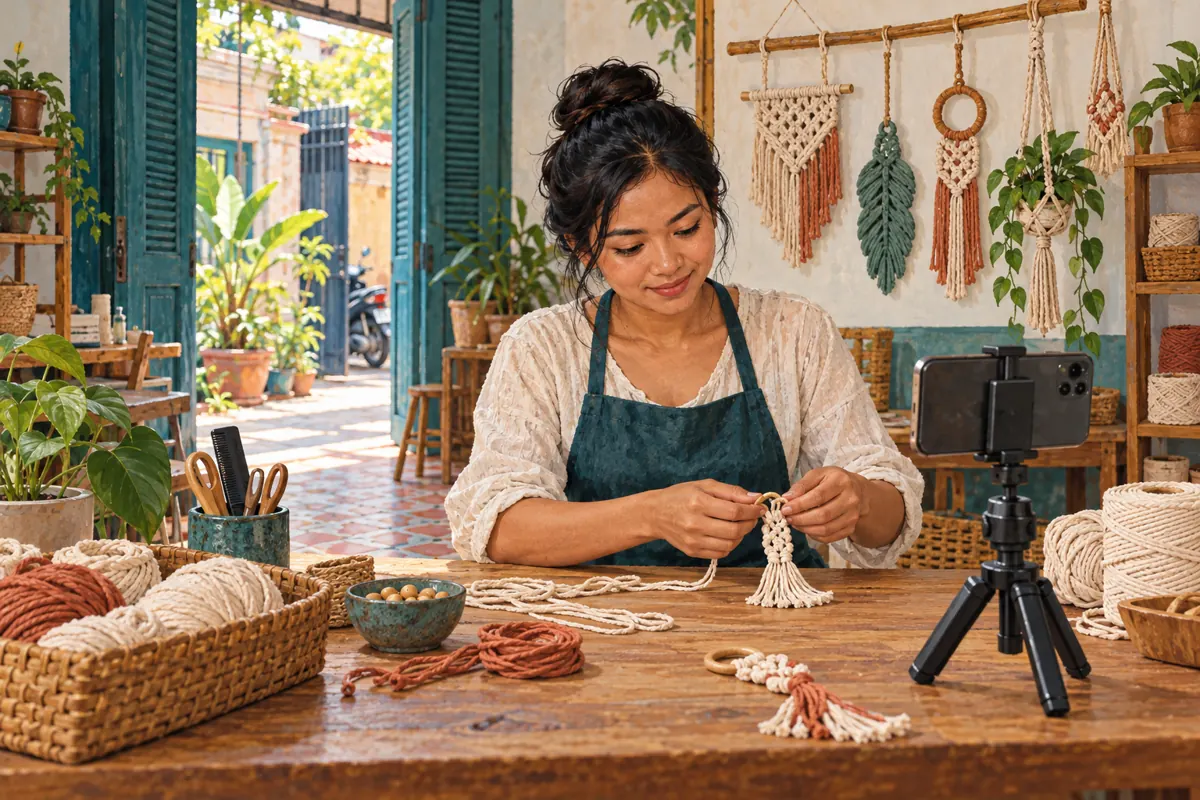
A short clip of a finished macramé keyring can attract attention while leaving a beginner unsure where to start. Which cord should they prepare? Where is the first knot explained? Is the workshop selling the finished item, a materials kit, or a class? For Cambodian craft businesses, those unanswered questions can weaken otherwise useful social promotion. A planned TikTok playlist can help connect related public videos when the feature is available. This guide explains how to design that learning route, test it before promoting it, and distinguish helpful audience responses from engagement numbers that say little about workshop demand.
Choose one beginner outcome before grouping videos
Begin with a task small enough to explain completely. In a hypothetical Phnom Penh macramé workshop, the task might be preparing and making one simple practice keyring. The public lessons introduce the materials and teaching style; an optional in-person class provides supervised practice. Write that distinction into the content brief so nobody treats the free videos as a promise of personal tuition.
Choose the learner before choosing the clips. A complete beginner needs preparation, hand positions, and an explanation of the finished shape. Someone who already knows the basic knot may only need a troubleshooting demonstration. Combining both audiences in one loosely named collection can make the starting point harder to identify.
Define a useful endpoint: the viewer can identify the required materials, locate the first technique lesson, and understand how to ask about a class. That endpoint gives the team something concrete to check without inventing a target for views or enrolments.
Check availability before promising a playlist
TikTok’s Help Center describes playlists as a way to group public videos for related viewing and notes that availability is limited. Check the workshop’s own account before printing instructions or recording an invitation to open a playlist. Another creator’s access does not establish that your Cambodian business account has the same feature.
If playlist controls are available, use the creation prompts shown in the app and inspect the resulting collection before announcing it. Keep the proposed name and selected video references in your working notes. Interface labels can change, so the essential acceptance check is whether a visitor can find and follow the intended collection.
If the feature is absent, continue with a clearly named video sequence. Give each lesson a consistent project name, a short topic label, and a sequence number. Publish a brief overview explaining those labels. This provides a practical fallback without suggesting that an SMM purchase can unlock account features.
Build the sequence around dependencies
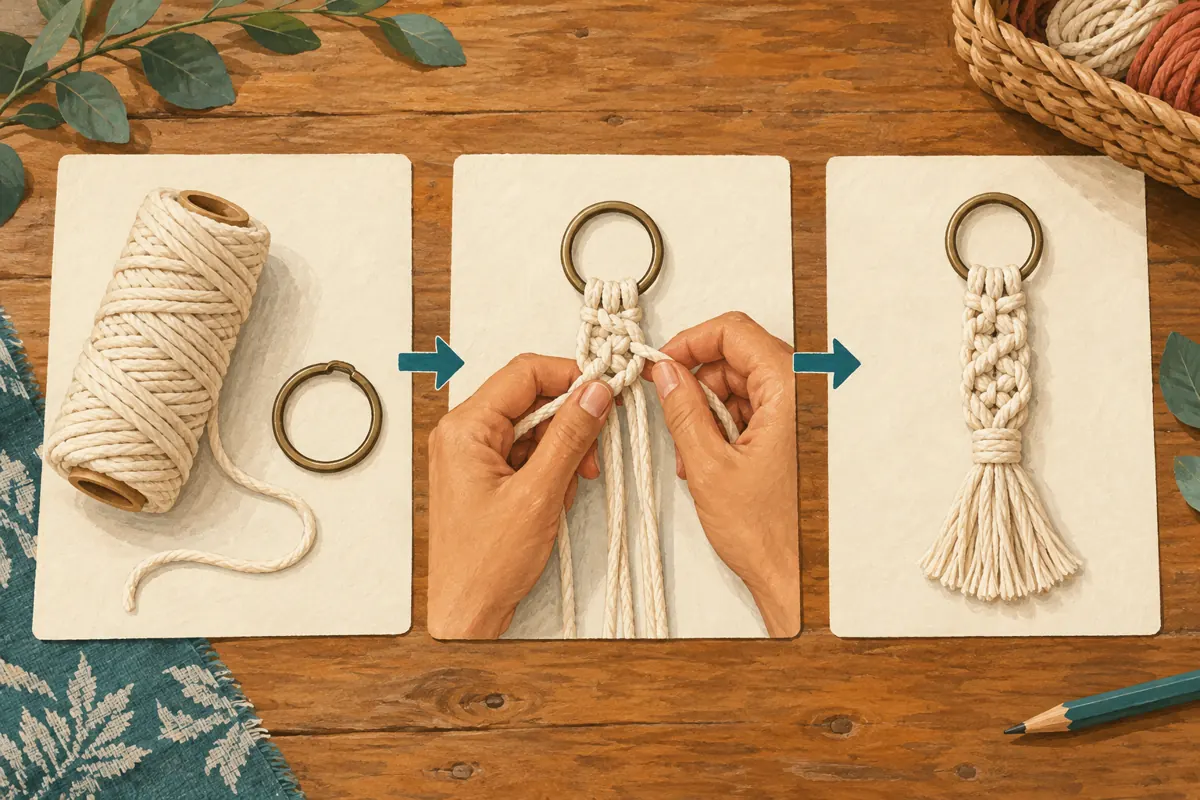
Lay out the lessons on paper before filming. For the hypothetical keyring project, start with the finished practice sample and required materials. Follow with cord preparation, attachment to the ring, the repeated knot, and finishing. The order should reflect what the learner needs to understand before attempting the next action.
Beside each proposed lesson, write its prerequisite and its endpoint. A knot lesson might begin with the cords already attached and end with one complete repeat visible. If the previous lesson ends before attachment is explained, you have found a missing step. Film that bridge before adding more decorative variations.
Keep promotional announcements outside the core teaching route where possible. A temporary class offer placed between preparation and knotting interrupts the task and may become outdated. The collection should remain useful even after one workshop date has passed. Put current booking details in a separately maintained announcement that the teaching content can identify clearly.
Make every lesson understandable on its own
Design for someone who encounters the middle lesson first. Open with the project, the current action, and the starting condition. Instead of saying only that this is the next step, explain that the cords are already attached and the clip demonstrates the first repeated knot. Show that starting arrangement before moving your hands.
Use consistent cord colours, camera orientation, and terminology across the sequence. Switching colours halfway through can make a learner think they need different materials. If a change is necessary, explain it visibly and verbally. Film a clear view of the cord crossing rather than relying on a fast reveal of the finished result.
For a Khmer-speaking audience, plan Khmer explanations that use familiar workshop language. Retain a genuine product or knot name when needed, but explain its meaning. Preview text on a small phone and make sure hands do not cover the crucial action. A playlist cannot compensate for an unreadable or incomplete demonstration.
Name the collection for the task it solves
A name such as Beginner Keyring Lessons tells a visitor more than Our Videos. Use the language your intended learners understand and keep the project wording consistent across lesson covers and spoken introductions. Avoid names that imply a full professional qualification when the collection only introduces a small practice project.
Create a simple content map containing each lesson’s topic, public post reference, place in the planned sequence, and review status. This is an internal editorial record, not a customer database. It helps a colleague distinguish the approved knot demonstration from an older test recording with similar colours.
When assembling the available playlist, compare what visitors see against that map. Inspect the starting lesson and the transition between adjacent lessons. Do not assume the visible arrangement matches your filming schedule. If the collection cannot present the route clearly, reinforce the sequence in the videos themselves and revise the invitation before sharing it.
Run a first-time learner test
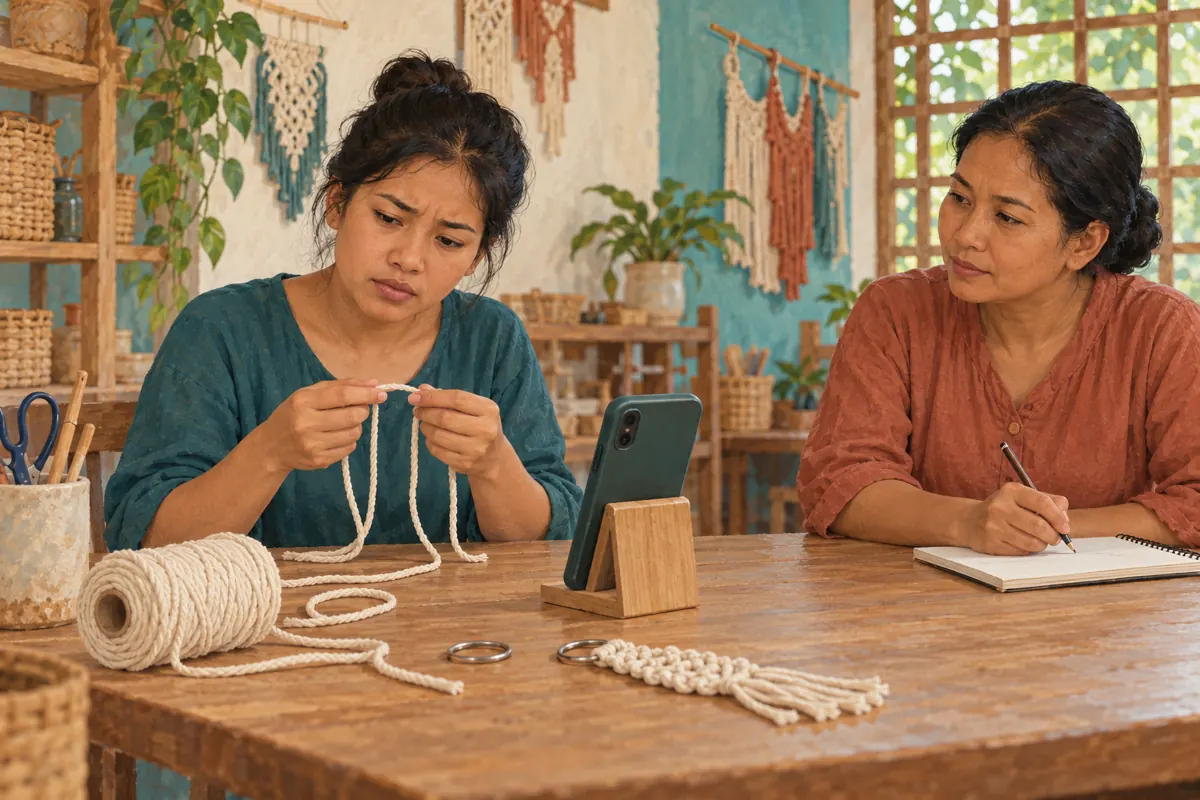
Ask a colleague who did not edit the videos to try the route from an ordinary viewer’s perspective. Give them a task: find the materials explanation, identify the lesson that follows it, and explain what the workshop offers after the free introduction. Let them attempt this without pointing at the correct screen.
Observe hesitation as well as wrong answers. A reviewer may eventually find the next lesson but search through several unrelated posts first. Record the exact obstacle: unclear collection name, indistinguishable cover images, missing preparation, or a class invitation that sounds like a product listing. Each observation should lead to a specific correction.
In a hypothetical test, the reviewer might assume that the displayed scissors come with a materials kit. The fix is to clarify what is included wherever the kit is offered. It is not to add more general promotion. Repeat the affected part of the test after correcting it, rather than restarting every editorial check.
Give interested learners a clear next action
Choose one main invitation for the teaching sequence. For example, ask viewers interested in supervised practice to enquire about the next beginner session. State whether the business offers a class, a kit, finished products, or some combination. These are different purchases, and a beautiful project demonstration does not explain the difference automatically.
Before promoting a session, confirm the teaching language, location, date, duration, materials arrangement, and reservation process. Use the workshop’s actual details rather than copying a previous event notice. If a date is still undecided, invite expressions of interest and label them accordingly; do not describe them as confirmed reservations.
Prepare a concise response for enquiries that explains the current offer and asks only for necessary information. Keep private contact details out of public comment threads. A learner who asks whether left-handed instruction is available has raised a useful teaching question, but has not yet committed to attending.
Evaluate SMM listings against the actual problem
A workshop browsing cambo-tools.com may encounter the public listing “TikTok Likes ~ 𝗛𝗶𝗱𝗱𝗲𝗻 𝗔𝗰𝗰𝗼𝘂𝗻𝘁 ~ Max 10M ~ 50k/Days ~ Instant ~ 𝐍𝐎 𝗥𝗘𝗙𝗜𝗟𝗟”. Its title identifies a likes service. The supplied catalogue entry has no supporting description, so its wording should not be treated as verified evidence of delivery speed, account characteristics, or other performance.
That listing does not establish a service for organising lessons, checking Khmer explanations, or finding Cambodian learners. Purchased engagement is not evidence of genuine interest, sales, advertising delivery, or Cambodian users. It cannot show whether someone understood the knot or wants to attend a class.
TikTok’s published explanation of deceptive behaviour prohibits fake engagement, including services that artificially increase likes or followers. Do not use such services to manufacture apparent demand. For this workflow, allocate effort to filming missing steps, testing navigation, and answering genuine questions. A sound panel evaluation can end with a decision that the listed service does not fit the task.
Review learning questions and reservations separately
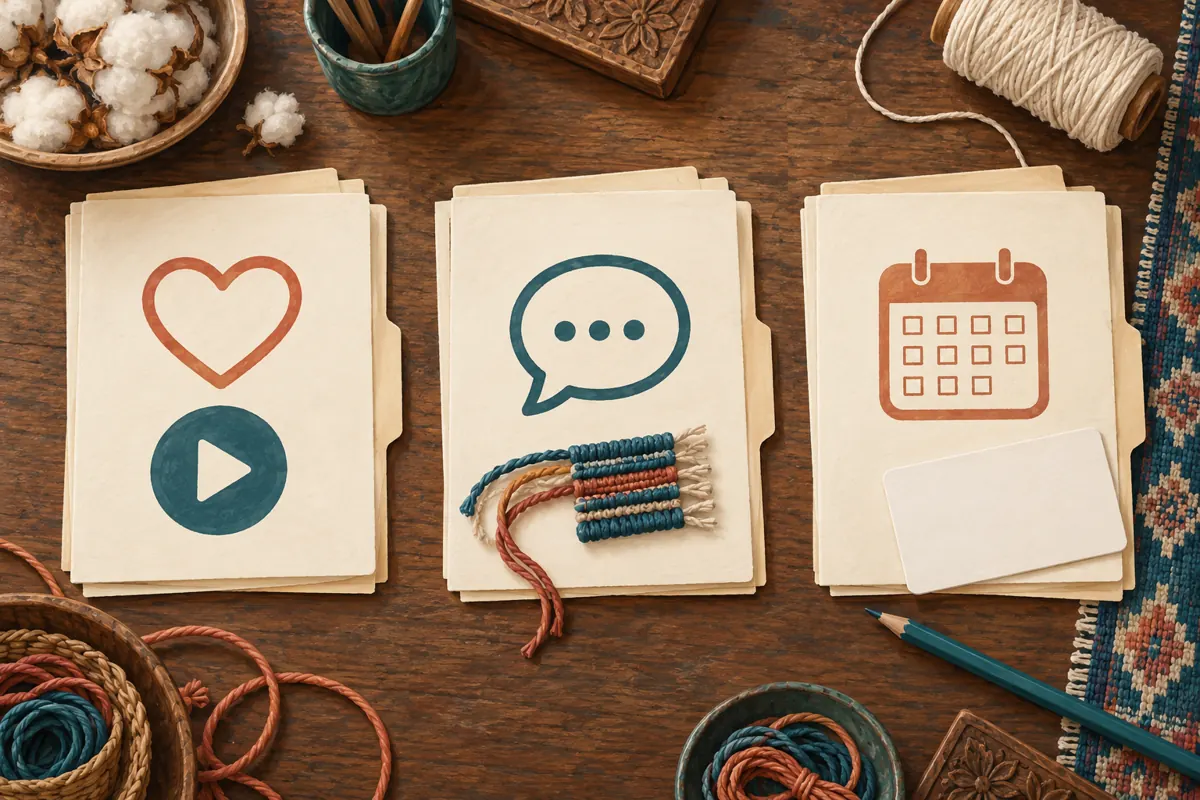
Keep three distinct records: content changes, genuine questions, and confirmed reservations. The content record explains what was changed and when. The question record captures recurring confusion without unnecessary personal information. The reservation record follows the workshop’s actual booking process. None should silently substitute for another.
TikTok Studio provides content analytics, although available tools can vary. Use the information your account actually displays as context for choosing what to inspect. A frequently watched clip may deserve a closer review, but viewing alone does not reveal whether people understood it, enjoyed the craft, or intended to buy anything.
When someone enquires, an optional question about which lesson helped them can provide useful qualitative feedback. Record their answer as their account of the experience. Avoid claiming that the playlist caused every booking during the same period. Referrals, existing customers, and other promotion may also have contributed.
Maintain the route when lessons or offers change
Assign someone to review the collection whenever a lesson is replaced or a workshop offer changes. Check references to earlier and later steps, materials shown, and any invitation embedded in the recording. A corrected lesson can still confuse viewers if another clip points them toward its outdated version.
Common mistakes include filling the collection with unrelated finished products, numbering lessons inconsistently, and placing the most attractive reveal before essential preparation without explaining where beginners should start. Another mistake is using enthusiastic comments as permission to increase class capacity. Capacity should follow available instructors, materials, and space.
Finish each review with a small decision: keep the route, repair a missing explanation, update the invitation, or pause promotion until the problem is resolved. Preserve useful lessons while correcting the specific obstacle. The aim is a collection that helps a real learner take the next appropriate step.
Frequently asked questions
Should we delay the whole campaign if playlists are unavailable?
Not necessarily. Publish a clearly labelled sequence and an overview that explains where beginners should start. Test whether viewers can identify the lessons from their project names and covers. Delay only the invitation that depends on a playlist until you have confirmed that the collection exists and is accessible.
How many lessons should the first collection contain?
Use enough lessons to complete the promised task without skipping prerequisites. There is no useful universal number for a workshop. Split a clip when it contains distinct actions that learners need to revisit, and combine material when separating it would create unnecessary searching. Let the practice task determine the structure.
Can a popular finishing clip become the starting lesson?
It can introduce the finished project, but make its role explicit. A short overview can show the result and direct beginners to preparation. Do not assume that a visually attractive finishing demonstration teaches the earlier steps. Test whether a new viewer can distinguish the preview from the first working lesson.
What should we do if viewers repeatedly ask the same knot question?
Locate the exact action they cannot follow. Check hand visibility, camera angle, terminology, and whether a transition was cut out. Add or replace the relevant explanation, then review the surrounding sequence. Repeated questions are useful editorial evidence; they do not automatically mean the entire collection needs to be remade.
Can an SMM likes order prove that the class topic is attractive?
No. It cannot establish understanding, local attendance interest, or willingness to reserve a place. Use genuine enquiries and the workshop’s reservation records for those decisions. Keep any historical service records separate from business conclusions, and account for TikTok’s prohibition on artificial engagement when evaluating services.
Explore the current service catalogue, create an account, or ask a specific question through support tickets.
- TikTok Help Center: Watch videos in a playlist
- TikTok Help Center: Tools for creators
- TikTok Newsroom: How TikTok counters deceptive behaviour
Prepared with AI assistance. Illustrations explain the workflow and do not represent customer results.