
22/10/2026 17:46
Private Review or Shareable Sample? YouTube Unlisted Videos for Cambodian Display-Stand Makers
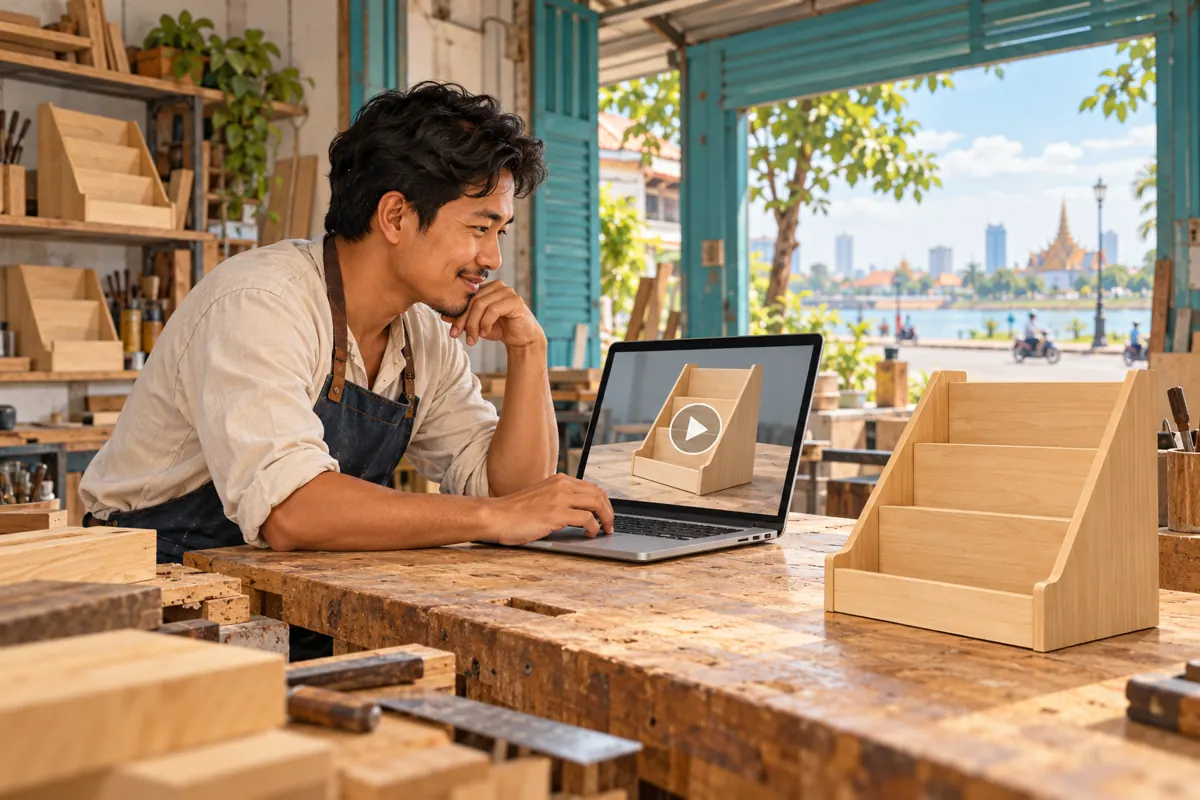
A display-stand demonstration can serve several purposes: asking a customer to approve a shelf arrangement, showing a retailer how the stand assembles, or introducing the workshop to new buyers. Trouble starts when one video link is expected to do all three. For Cambodian makers promoting custom work through YouTube and sharing links in customer conversations, the useful question is whether the footage is safe to circulate beyond its first recipient. This guide explains how to choose a viewing arrangement, gather precise feedback and prepare a separate promotional sample. It also shows where an SMM-panel decision belongs—and why purchased engagement cannot establish approval or demand.
1. Decide what the recipient must do
Start with a sentence describing the decision the video should support. For example: “The buyer needs to confirm whether the removable shelf suits the intended product packaging.” That is a review task. “Retailers should understand how our countertop stands assemble” is a promotional task. These purposes need different footage, accompanying messages and follow-up. A customer reviewing a prototype should not have to guess whether the workshop has already advertised it.
In a hypothetical Phnom Penh workshop, a maker prepares a stand for a small cosmetics retailer. The first recording shows the proposed arrangement beside the retailer’s packaging. A later demonstration uses plain boxes and a workshop-owned sample. The first helps settle a specific order; the second explains a repeatable capability. Keeping those purposes separate makes it easier to decide who should receive each link and what the business may reasonably conclude from the response.
2. Understand the visibility choice
YouTube’s official visibility guidance says anyone with an unlisted link can view and reshare it. Unlisted videos do not appear in the channel’s Videos tab and generally stay out of search, although inclusion in a public playlist is an exception. Private videos restrict viewing to the owner and selected recipients. Public videos can appear on the channel and in discovery surfaces. These are different access arrangements, not stages every upload must pass through.
Use a practical decision rule: if an unexpected recipient seeing the footage would create a problem, do not rely on an unlisted link as the boundary. Choose private review or another suitable controlled method. If forwarding is acceptable but broad promotion is premature, an unlisted sample may fit. If the workshop wants to advertise the finished demonstration, assess it specifically for public release. YouTube’s supporting guidance is listed in the sources.
3. Prepare footage that survives being forwarded
Before filming a shareable sample, clear the workbench of quotations, delivery labels, customer artwork and unfinished commissions. Listen for names or order details spoken in the background. Check reflective surfaces and the opening and closing frames, where the camera may drift beyond the intended scene. Removing private material before recording is usually simpler than trying to identify every accidental appearance afterward.
Give the demonstration enough context to stand alone. Show the assembled stand, identify the removable component and demonstrate its movement slowly. State whether the object is a prototype or an example of available workmanship. For Cambodian customers, prepare the explanation in the language the intended viewers understand; preserve exact product codes when necessary. If the recording shows custom dimensions, explain that they belong to this sample. A forwarded clip should not turn one customer’s specification into an apparent standard offer.
4. Set visibility and test the recipient’s experience
On desktop, YouTube’s documented route is YouTube Studio, Content, the video’s Visibility control, the selected setting, then Save. For private sharing, its guidance provides a Share privately option where recipient email addresses can be entered. Confirm the saved choice on the actual video before sending its link. A familiar thumbnail is not enough to distinguish a review copy from a promotional upload.
Test access using the viewing situation you expect. For an unlisted sample, ask a colleague without channel management access to open the link. For a private review, test with an intended invited reviewer. Record whether the right video opens, whether its purpose is clear and whether the shelf detail is visible on a phone. Do not treat successful playback in the owner’s account as a complete recipient test.
5. Send a review request with a defined answer
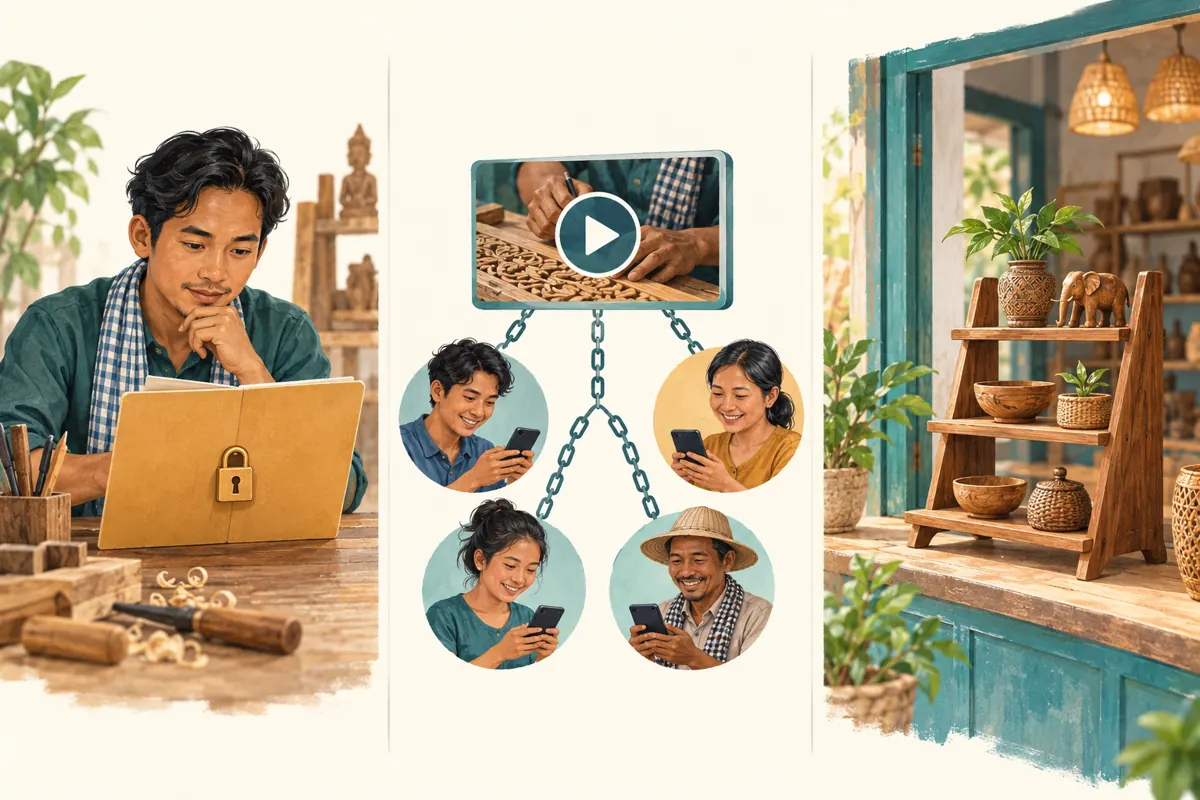
A bare link often produces a vague response such as “looks good.” Attach a short message identifying the sample, the question and the requested reply. A hypothetical request might read: “Please review the removable middle shelf in this prototype. Confirm whether you want this arrangement or describe the change. We will confirm production details separately.” This gives the recipient something concrete to assess without implying that viewing the video places an order.
Choose where replies should go. Private YouTube videos do not support comments, so use an agreed customer conversation or review document. Even when comments are available, keep pricing, delivery addresses and customer-specific decisions in the appropriate business conversation. If the buyer responds with an emoji, ask for a clear answer to the outstanding design question. Record approval against the particular sample version; avoid expanding a narrow approval into permission to advertise the customer’s project.
6. Build a separate promotional version when necessary
A successful review does not automatically produce a suitable marketing asset. The reviewer may approve shelf placement while expecting their branding or launch plans to remain within the project. Before promotion, list what the demonstration actually needs to communicate: assembly, finish options, usable space or the information required for a quotation. Remove everything that does not help that purpose, particularly details belonging to the original customer.
In the hypothetical workshop, the promotional recording uses neutral packaging and describes the stand as a sample configuration. Its closing instruction asks interested retailers to send packaging dimensions and a description of the intended display. That creates a useful next step without promising a universal fit. Give the promotional file its own clear internal name and record its final YouTube URL. This helps staff avoid retrieving the customer review link from an old chat when preparing a new social post.
7. Apply a firm decision gate before considering panel services
An SMM-panel catalogue does not decide whether a video is ready to promote. First settle ownership, visibility, the intended audience and the action viewers should take. Then examine the proposed service’s actual method and platform compatibility. YouTube prohibits artificial increases in views, likes and other engagement metrics. Its policy also explains that a hired promoter’s actions can affect the channel. Outsourcing does not remove the need to evaluate the method.
One supplied catalogue entry is “YouTube Like ~ Max 100k ~ 50k/days ~ Instant ~ 𝐍𝐎 𝗥𝗘𝗙𝗜𝗟𝗟”. Its name identifies a like-related service, but the supplied description is empty. Treat the embedded quantities and terms as catalogue wording, not verified delivery facts. Nothing in that information establishes Cambodian viewers, genuine interest, advertising delivery or official affiliation.
For this workflow, likes would not answer whether the shelf fits the buyer’s packaging. Do not order artificial engagement to make a sample appear approved or popular. If a proposed service cannot be shown to comply with YouTube’s rules, exclude it. Put the effort into a clearer demonstration, relevant distribution and responsive handling of genuine enquiries.
8. Distribute according to purpose
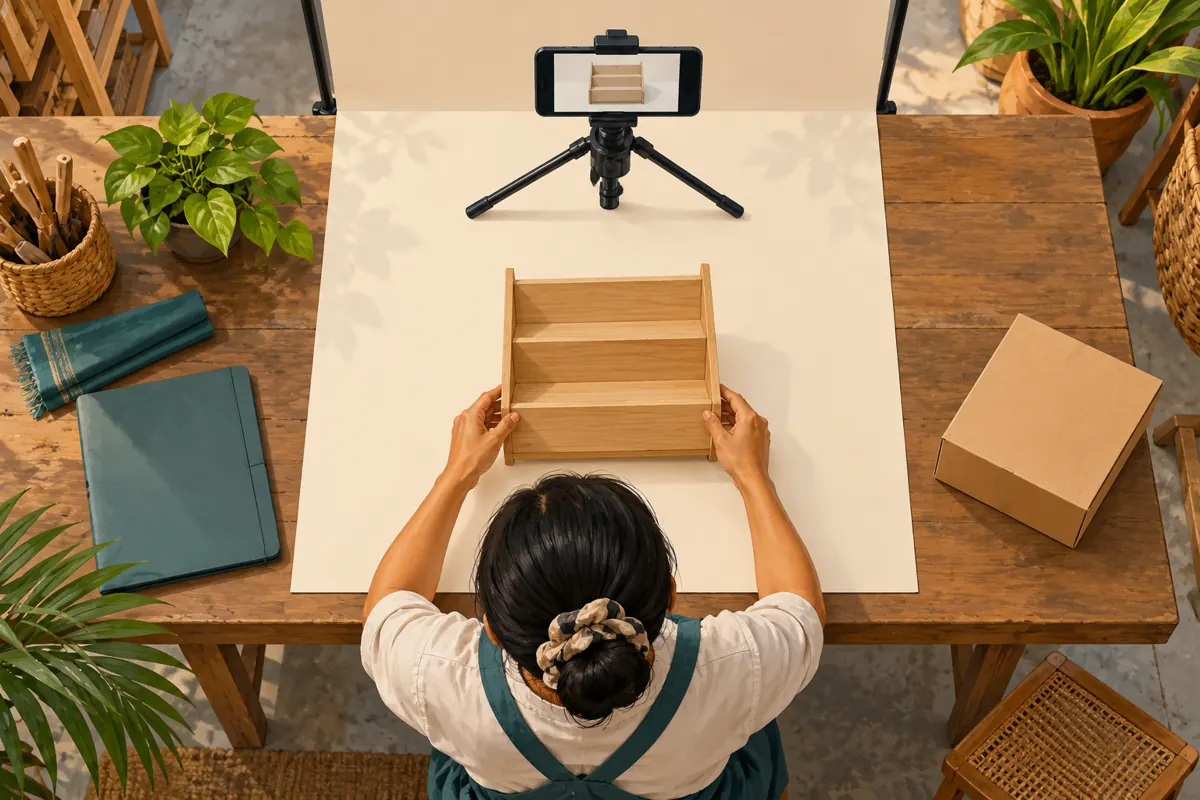
Send a review video only through the agreed review conversation. Send a forwardable sample with enough explanation that another person can understand it without the original chat history. For a public demonstration, write a promotional message that connects the visible feature to a realistic buying question. “See how the shelf removes, then send your packaging dimensions for a suitability discussion” is more useful than an unsupported claim that the stand works for every shop.
Adapt the surrounding message to the recipient. A Phnom Penh retailer considering collection may need different follow-up information from a provincial buyer asking about transport. Confirm those arrangements separately rather than embedding assumptions into a reusable video. Maintain a short distribution record containing the video version, destination and date. Its purpose is to help staff correct outdated messages and answer enquiries consistently, not to imply that every shared link created a qualified prospect.
9. Measure answered questions, not apparent approval
For customer review, the meaningful result is a resolved decision: the shelf arrangement accepted, a change requested or a missing measurement identified. For promotion, record whether enquiries contain enough information to assess suitability. Someone sending packaging dimensions has provided a different kind of evidence from someone merely opening a video. Keep these observations separate so the workshop can identify what the content helped people understand.
Maintain a small question log. Note the unclear feature, the explanation given and whether the demonstration needs revision. If several genuine conversations reveal confusion about removable versus fixed shelves, improve that part of the recording. Do not infer Cambodian audience origin from a service label or infer sales from engagement totals. Purchased engagement is not evidence of genuine interest, sales, ad delivery or Cambodian users, and it cannot validate the design of a customer’s stand.
10. Handle mistakes without creating more confusion
Common mistakes include treating unlisted as confidential, sharing the review version in a promotional message and assuming that a customer’s design approval includes publicity permission. Another is making a video public simply because a promotion request appears to require it. Each mistake substitutes a technical action for a business decision. Pause and resolve the purpose, content rights and audience before changing the setting.
If the wrong link has already been sent, stop further distribution and identify exactly what it contains. Where appropriate, restrict access and send the affected recipients a clear replacement message. Ask recipients to stop forwarding the outdated version, while recognizing that this cannot guarantee recovery of material already copied. Record the replacement URL and tell staff which version to use. Finish by fixing the cause, such as ambiguous file names or an approval note that never identified the reviewed version.
Frequently asked questions
Can I use an unlisted video for a confidential customer prototype?
Do not use unlisted visibility as a confidentiality control: recipients can reshare the link. Consider private sharing and assess whether YouTube is appropriate for the material at all. Minimize sensitive content regardless of access settings. A video showing a generic mechanism may answer the review question without revealing the customer’s branding or wider project.
Should the customer review video become the public promotional video?
Only after a separate content and permission review. Check whether customer details, tentative specifications or private discussion remain. Often a fresh recording with a workshop-owned sample is clearer. Keep the approved design decision in your project record even if the promotional recording uses a different arrangement.
Does a customer’s like mean the sample is approved?
No. Ask the customer to confirm the particular decision in words through the agreed conversation. A like does not specify whether they approve the shelf spacing, finish, dimensions or merely the presentation. A purchased like provides no customer approval at all. Record any unresolved questions before production proceeds.
What should I do if a service asks for a public link?
Treat that as a condition to evaluate, not a reason to expose review footage. Decide whether the content is suitable for public promotion independently. Then verify the service’s method and platform compliance. Decline artificial engagement and any proposal whose operation cannot be adequately explained; a working URL does not establish suitability.
How can a small workshop evaluate this workflow without complicated analytics?
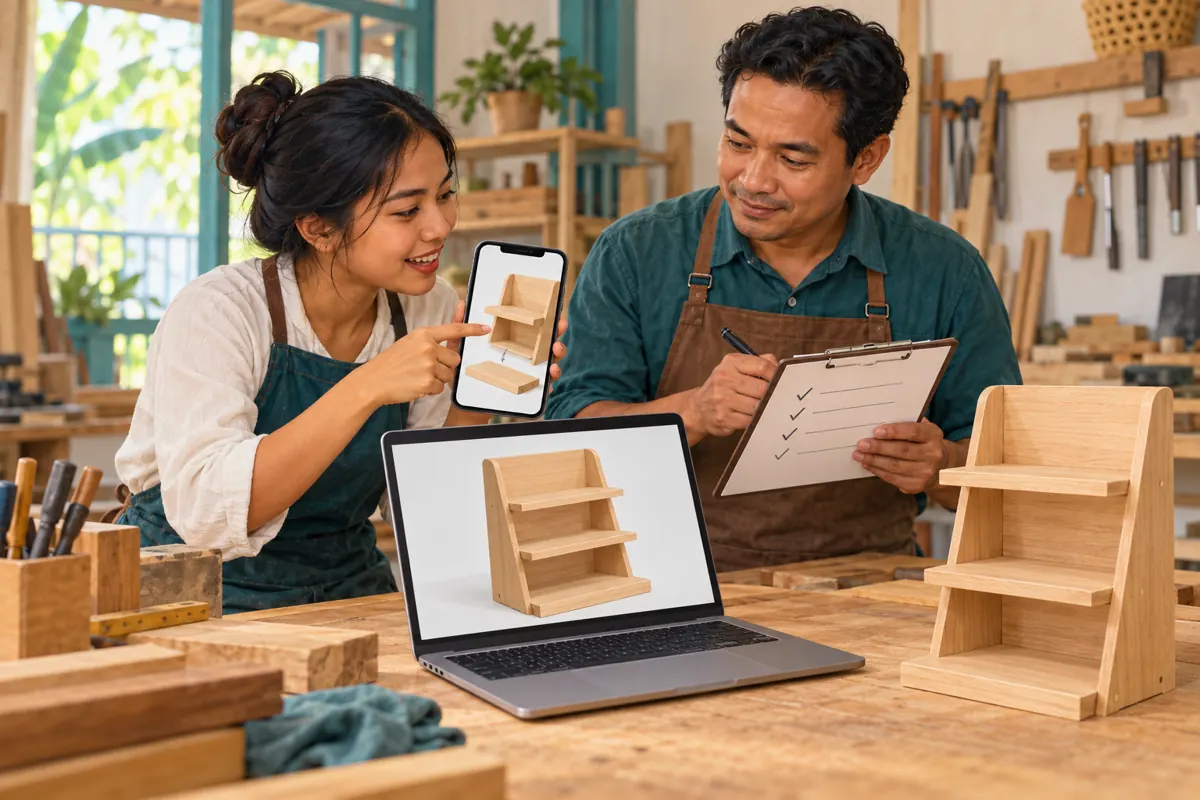
Keep a brief record of the question sent, the answer received and any follow-up needed. For promotional samples, note which enquiries supplied useful specifications and which required clarification. Review the actual conversations for recurring confusion. This produces practical editing decisions without assigning unsupported business meaning to video totals.
Explore the current service catalogue, create an account, or ask a specific question through support tickets.
Prepared with AI assistance. Illustrations explain the workflow and do not represent customer results.